Build Your Library
Discover focused perspectives on cyber resilience, continuity planning, and data protection that help teams shape stronger recovery strategies across critical operations.
These downloads are designed for leaders who want practical guidance they can use to improve preparedness, support faster recovery, and align resilience efforts with business priorities.
Cyber Resilience as a Business Priority
A business-first view of resilience, risk, and operating continuity.
Achieving Cyber Resilience Through Data Protection
Strategies for protecting critical infrastructure and recovery readiness.
Lafayette Utilities System Case Study
See how Lafayette Utilities System approached resilience planning and critical service continuity.
Deloitte AI PC Case Study
Learn how AI PC adoption can support productivity, modern workflows, and business transformation goals.
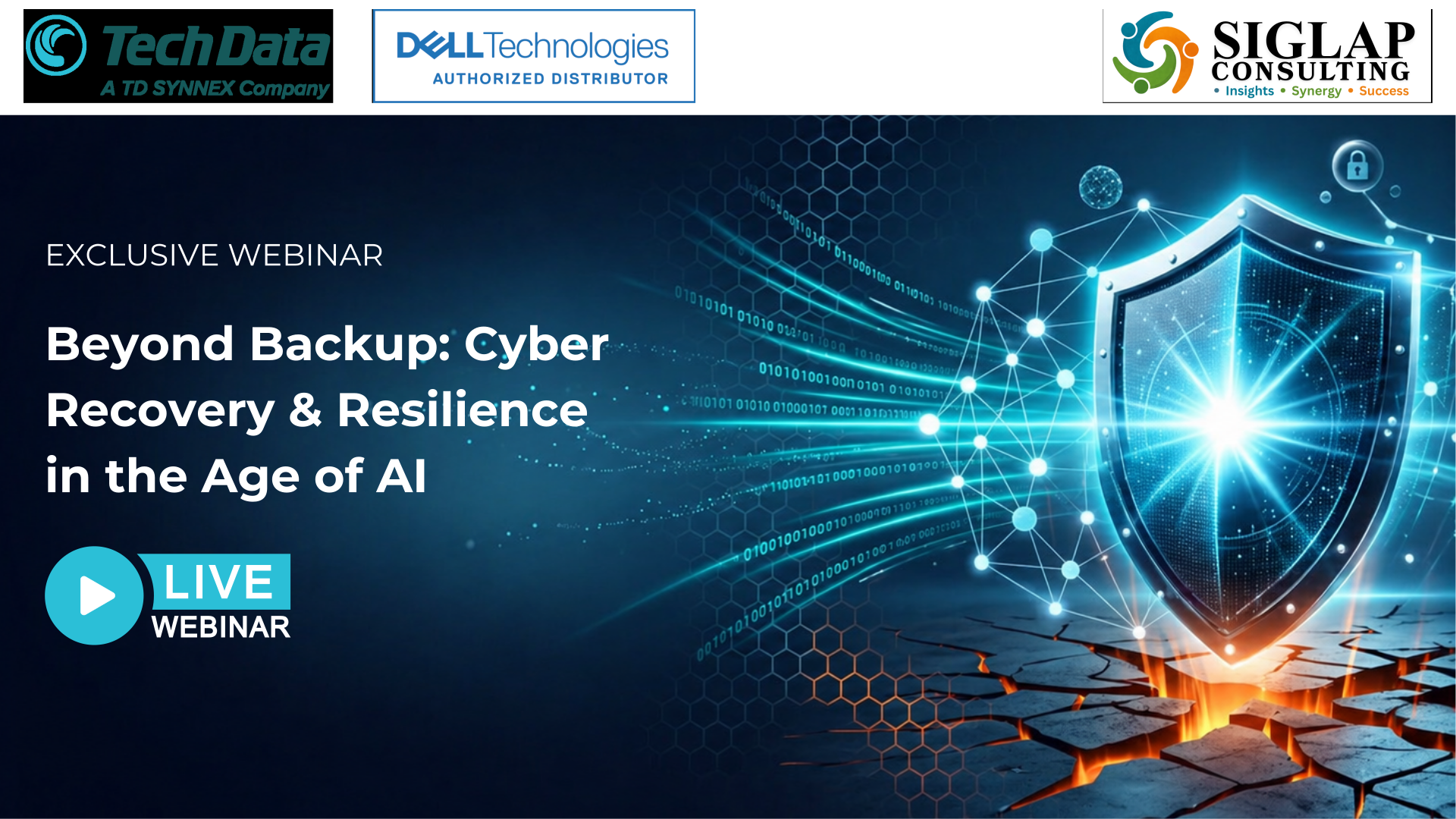
Beyond Backup: Cyber Recovery & Resilience in the Age of AI
Explore how cyber recovery, resilience planning, and AI-era risks reshape continuity strategies.
In a world where cyberattacks are a matter of when and not if, cyber resilience is your most critical business asset. Cyber attacks are now targeted, precise, and a common reality for business organizations of all size.

Why Cyber Resilience Matters Now? Prevention has failed as a standalone strategy
- Prevention alone is no longer effective as a standalone strategy
- A cyberattack occurs every 39 seconds globally
- 44% of data breaches now involve ransomware
- Global cybercrime costs are expected to exceed $10.5 trillion by 2026
-
63% of organizations fall into the "Exposed Zone"
- Lack both strategy and capability to protect critical assets
- Traditional cybersecurity focuses on keeping threats out
-
Cyber resilience focuses on:
- Accepting breaches will happen
- Ensuring systems recover quickly
- Maintaining business continuity
AI has fundamentally changed the threat landscape
- Traditional defense model ("build stronger walls") is no longer sufficient
-
AI is being weaponized to:
- Create highly convincing phishing attacks
- Automate reconnaissance at scale
- Generate deepfakes that bypass identity verification
- Launch adaptive, real-time coordinated attacks
- 94% of cybersecurity executives see AI as the biggest driver of threat evolution by 2026
-
Gap is widening between:
- Organizations using AI for defense
- Attackers using AI offensively
- 36% of tech leaders believe AI is advancing too fast for security systems to keep up
-
AI-driven threats are already visible:
- Vishing (voice phishing) attacks increased 442% in 2024 (H1 vs H2)
-
Autonomous AI agents can:
- Identify vulnerabilities
- Exploit them within minutes (not days)
What Cyber Resilience Really Means! Beyond Backup. Beyond Recovery.
Cyber resilience is not a product you buy. It's a capability you build across your people, processes, and technology. It is a system-level capability to:
Anticipate
Identify threats across identities, data, infrastructure, and AI systems before impact.
Withstand
Limit blast radius through Zero Trust, segmentation, and access control.
Recover
Restore clean, verified data and systems rapidly without negotiation.

Adapt
Continuously learn from incidents and strengthen defenses in real time.
From Security to Resilience Architecture Old Model vs New Reality
● Prevent everything → Assume breach
● Protect perimeter → Secure identities and data
● Backup as insurance → Recovery as strategy
● Tools in silos → Integrated, automated systems
Core Pillars of Cyber Resilience
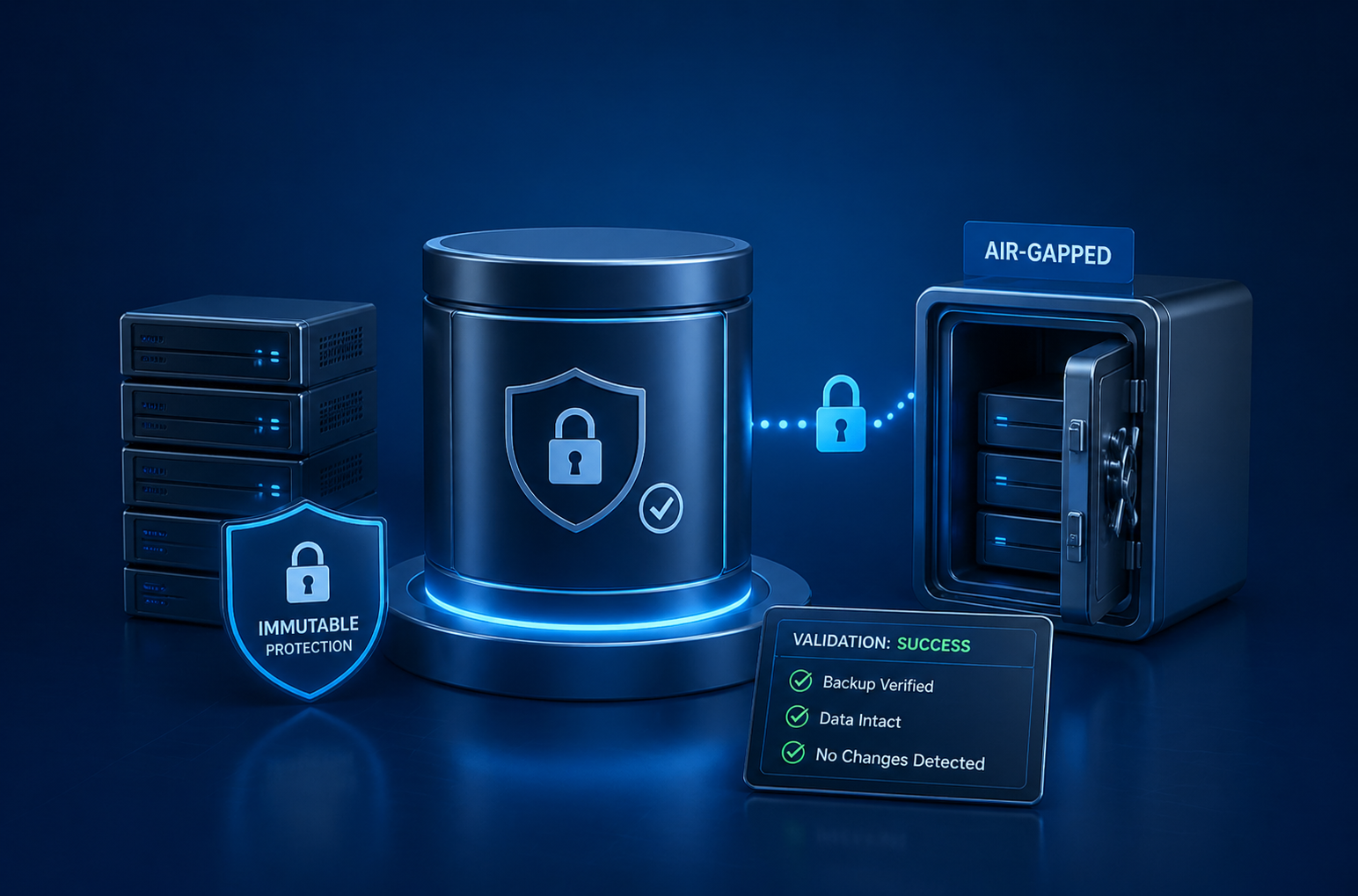
Immutable, air-gapped backups with continuous validation → Because compromised backups are useless
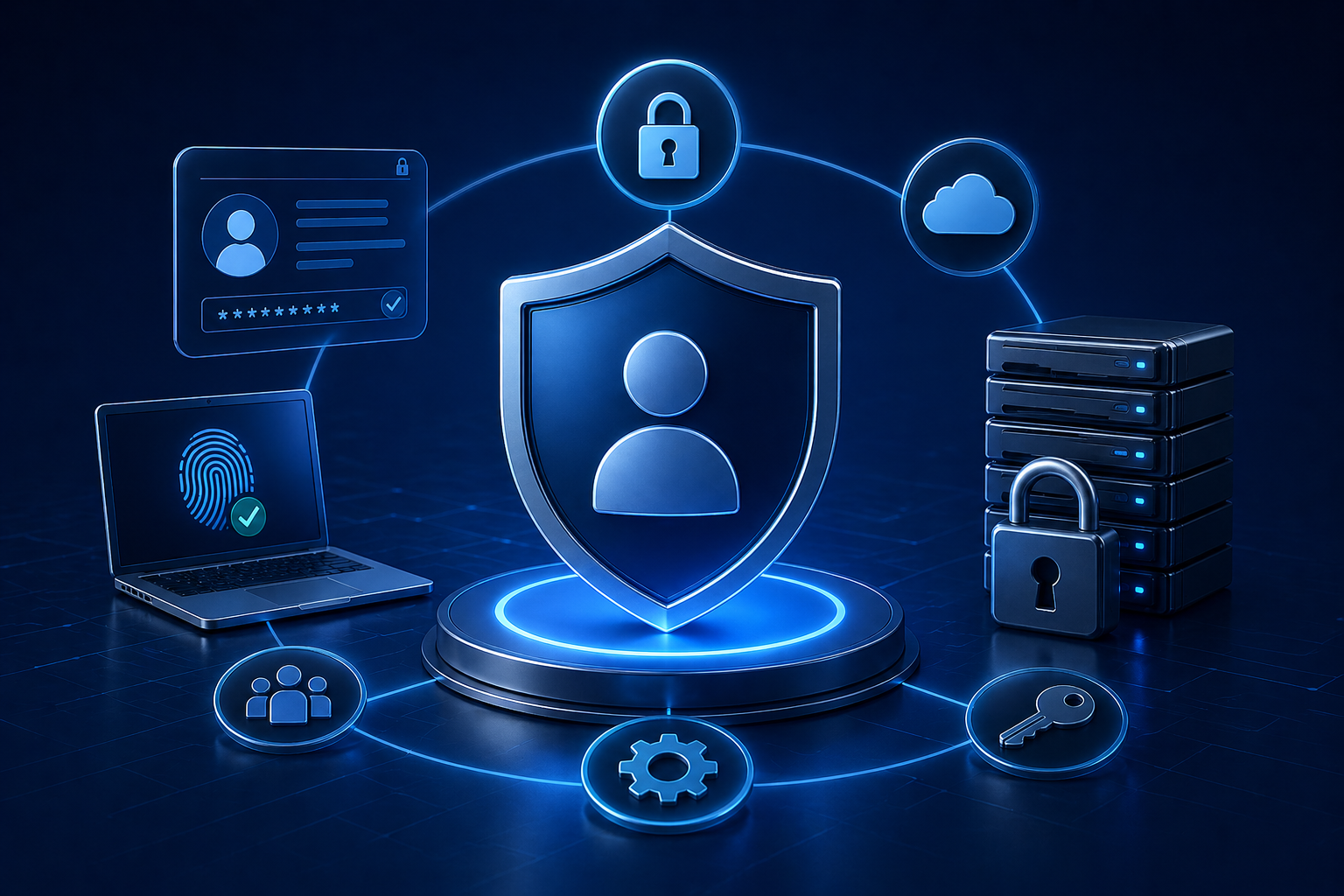
Zero Trust, privileged access control, machine identity governance → Identity is the primary attack vector
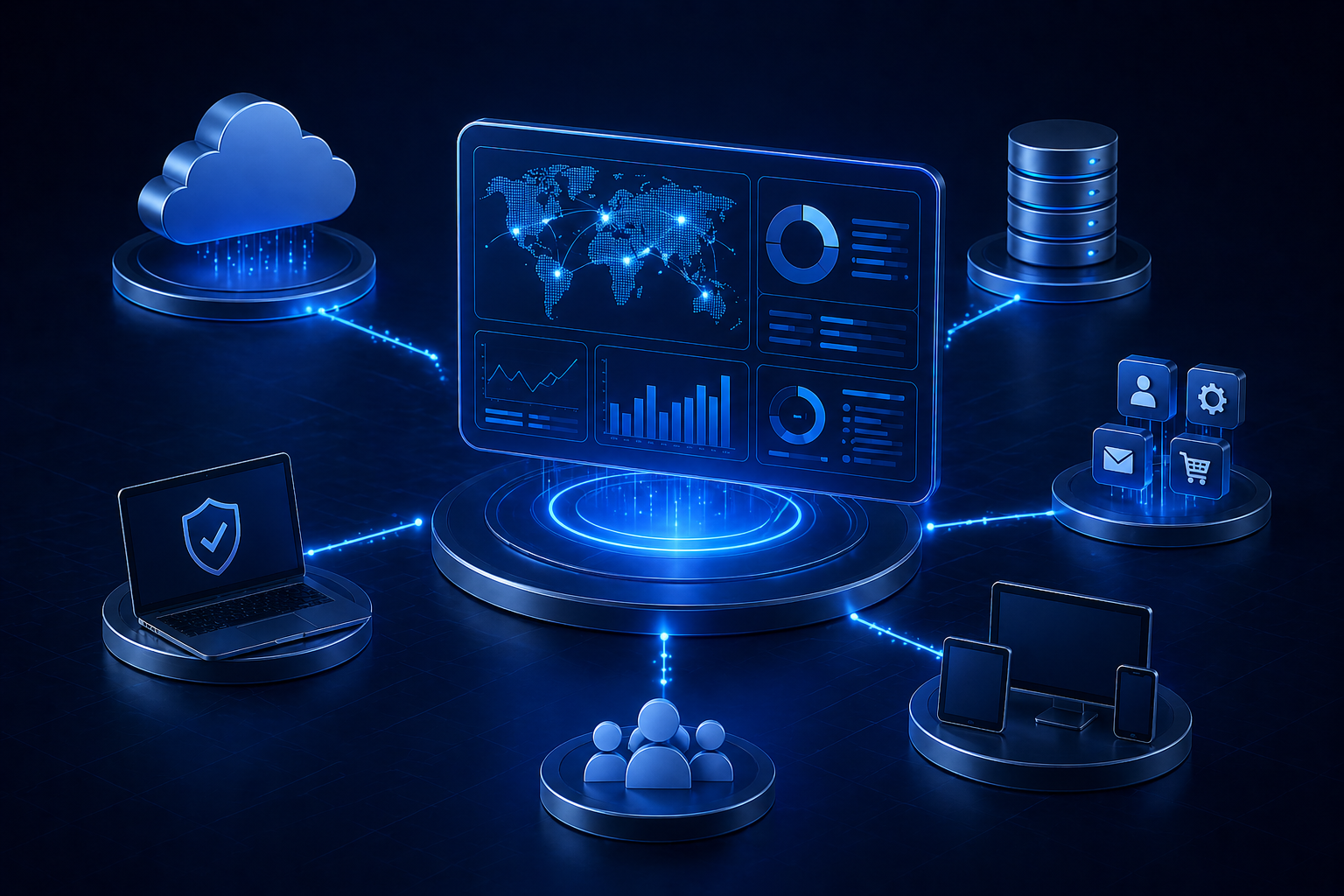
End-to-end telemetry across cloud, endpoints, and SaaS → You cannot respond to what you cannot see
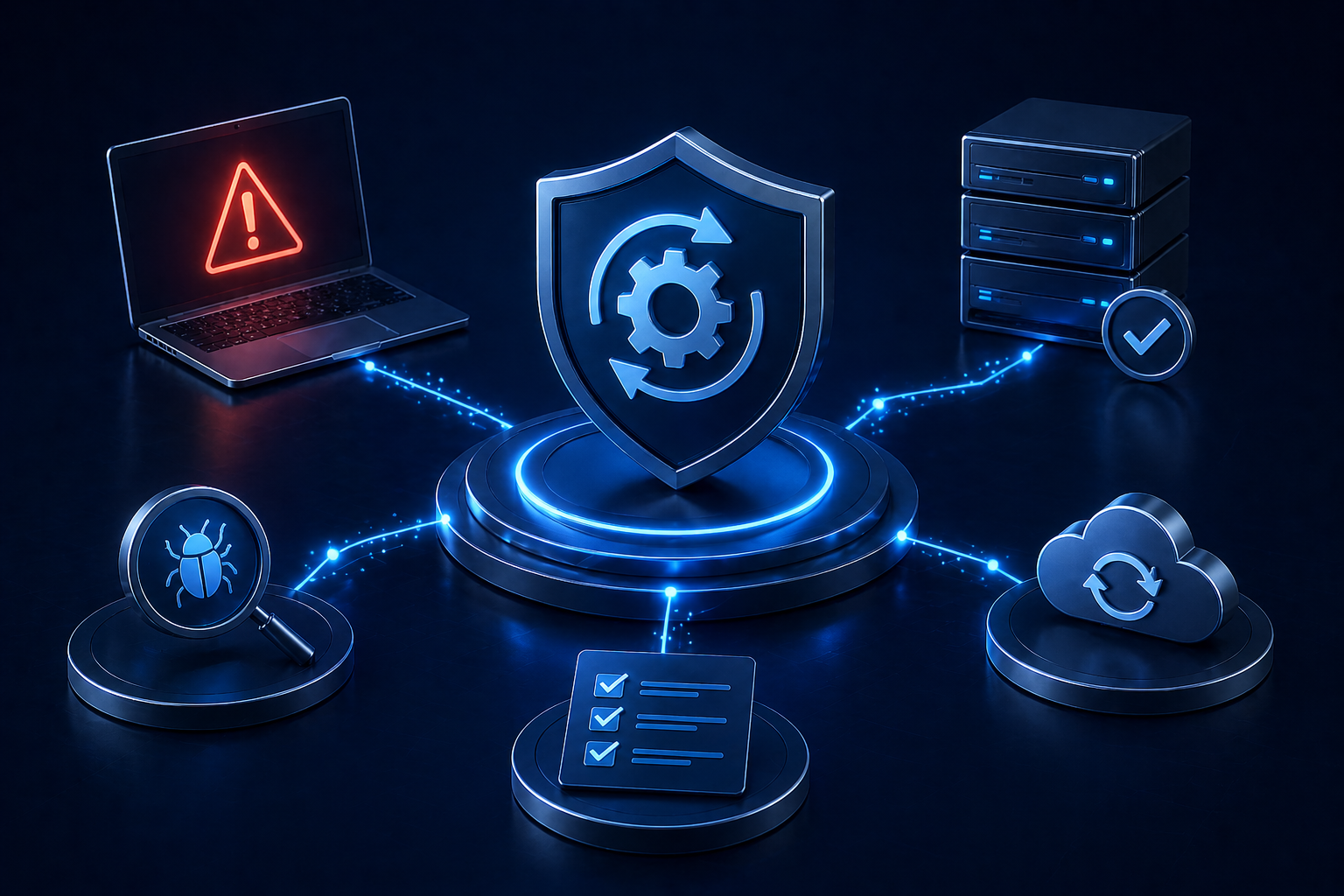
Orchestrated incident response and recovery workflows → Speed is the only real defense left
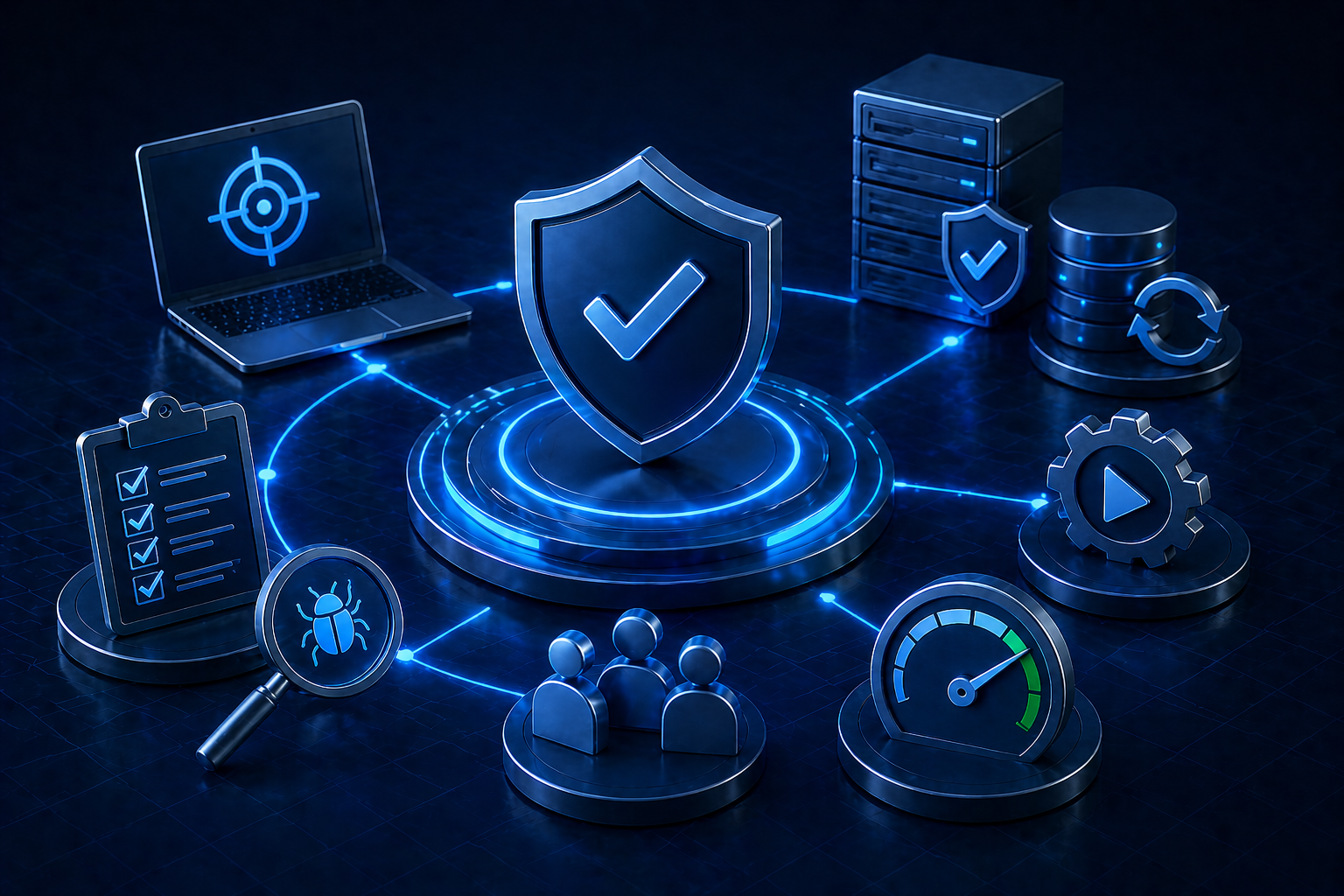
Simulation, testing, and recovery drills → Readiness is built, not assumed
Where Most Organizations Fall Short?
Most organizations discover their resilience gaps during an incident not before.By then, the cost of finding out is measured in downtime, lost revenue, and broken trust.
The patterns are consistent:
● Over-indexed on prevention, blind to recovery security budgets go to firewalls and detection tools, while backup validation and recovery readiness get deprioritized until it's too late
● Fragmented tools, no single source of truth disconnected point solutions create visibility gaps that attackers exploit and responders can't close fast enough
● Backups that exist but haven't been tested an untested backup is not a recovery plan. It's a assumption.
● No incident simulation or response muscle memory organizations that haven't practiced recovery under pressure don't recover well under pressure
● Leadership misalignment on ownership when cyber risk sits only with IT, the board doesn't see it coming and the business isn't ready to respond
● The gap isn't technical. It's strategic. And it compounds every year you don't close it.
Prevention over-indexing
Security budgets go to firewalls and detection tools while backup validation and recovery readiness get deprioritized until it is too late.
Fragmented tools
Disconnected point solutions create visibility gaps that attackers exploit and responders cannot close fast enough.
Untested backups
A backup that exists but has not been tested is not a recovery plan. It is an assumption.
No response muscle memory
Organizations that have not practiced recovery under pressure do not recover well under pressure.
Leadership misalignment
When cyber risk sits only with IT, the board does not see it coming and the business is not ready to respond.
Strategic gap
The gap is not technical. It is strategic. And it compounds every year you do not close it.
What Leading Organizations Are Doing Differently
Designing systems assuming compromise
Treating data as the last line of defense
Embedding resilience into infrastructure
Aligning cyber strategy with business continuity
Running continuous recovery drills
They don't aim to avoid attacks.
They aim to outlast them.
● Designing systems assuming compromise
● Treating data as the last line of defense
● Embedding resilience into infrastructure not layering it on
● Aligning cyber strategy with business continuity
● Running continuous recovery drills
They don’t aim to avoid attacks.
They aim to outlast them.
Cyber Resilience Is a Business Imperative
A cyberattack is no longer just an IT incident. It is a business disruption event and the blast radius is wider than most leadership teams realize until they're inside one.
Impact includes:
● Revenue loss from downtime
● Supply chain disruption
● Regulatory exposure
● Long-term brand erosion
The organizations that treat resilience as a business capability not a security cost center are the ones that emerge from incidents faster, with less damage and more stakeholder confidence.
Resilience doesn't just protect your systems. It protects your ability to operate, compete, and grow.
Build a Cyber Resilience Strategy That Works in the Real World
The question is no longer whether your organization will face a serious cyber event. It's whether you will be ready when it happens.
The right resilience architecture doesn't just reduce risk. It compresses recovery time, ensures data integrity, keeps operations running during an incident, and gives leadership the confidence to make decisions under pressure - not just react to them.
Stop designing for a world where attacks don't get through. Start building for the one you're actually in.
- Reduce recovery time
- Validate data integrity
- Keep operations running
Download the Whitepapers
Explore practical strategies for treating cyber resilience as a business priority, protecting critical infrastructure, validating recovery readiness, and reducing disruption when incidents occur.
These whitepapers also help business and technology leaders align security investments with continuity goals, strengthen response planning, and build confidence that critical operations can recover faster when pressure is highest.
Achieving Cyber Resilience Through Data Protection
Strategies for protecting critical infrastructure and recovery readiness.
Cyber Resilience as a Business Priority
A business-first view of resilience, risk, and operating continuity.
Lafayette Utilities System Case Study
See how Lafayette Utilities System approached resilience planning and critical service continuity.
Deloitte AI PC Case Study
Learn how AI PC adoption can support productivity, modern workflows, and business transformation goals.
Beyond Backup: Cyber Recovery & Resilience in the Age of AI
Explore how cyber recovery, resilience planning, and AI-era risks reshape continuity strategies.